Room Service
Our first letter. On a bivouac we found in a bad state, and what we decided to do about it.

What started as a disappointment turned, months later, into a reason to do something.
It was our first outing of the winter season, early November, one of those days that is bitterly cold and a night that is worse. We reached the bivouac on skis in the late afternoon, with a few minutes of light left. We made dinner, sorted the gear for the morning, set a little aside for breakfast. And we took in the state of the place, which was appalling.
Around ten at night, while we were trying to sleep, which is never easy above 3,500 metres, a rope team arrived. They had run very long on the way back from the same route we were meant to climb the next day. They were exhausted, they had not planned to spend the night up there, and they were out of food and water. We gave them what we had. It was a hard night for them, and not an easy one for us.
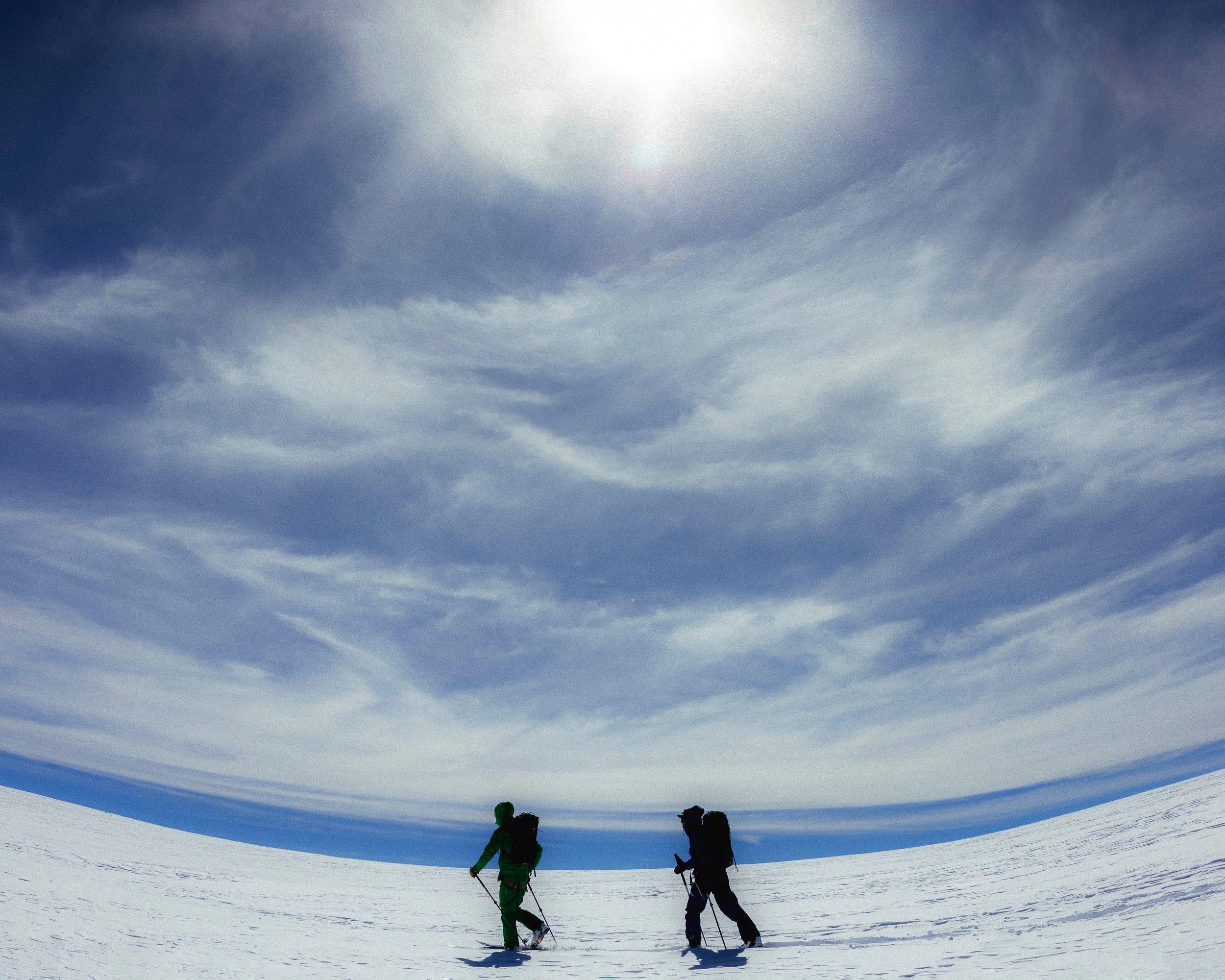
Months later, talking it over with my partner, the thought was simple: why not go back, clean the place, and leave an emergency kit behind? So we put together a plan. Between March and April we set out for the first bivouac, the test run.
That is where Room Service came from. Not from a strategy meeting. From a cold night, a filthy shelter, and two people who turned up needing exactly what a bivouac is supposed to provide.
Before going further, a word on why we are writing here at all.
Most brands start a newsletter to sell you something. We will not pretend we are above that. AlpineStandards is a business, and email is one of the tools that lets a business grow. We will keep using the tools that work. But growth is not the only reason to write, and a discount code is not the only thing worth saying. We started AlpineStandards on Substack because some things are better told from the inside, slowly, without a call to action at the bottom. Less a channel, more a logbook. This is the first entry, and we are spending it on something we did for no commercial reason at all.
We call it Room Service. The name is a joke about hotels, and the joke is the argument. A bivouac is not a free room with a view. There is no front desk and no tip jar. It is a place of passage, built to shelter people on a mission or as an extreme refuge when things go wrong. Overtourism has slowly turned shelters like this into destinations, treated as a stay rather than a stopover, used hard and left behind. The name is meant to make that uncomfortable.
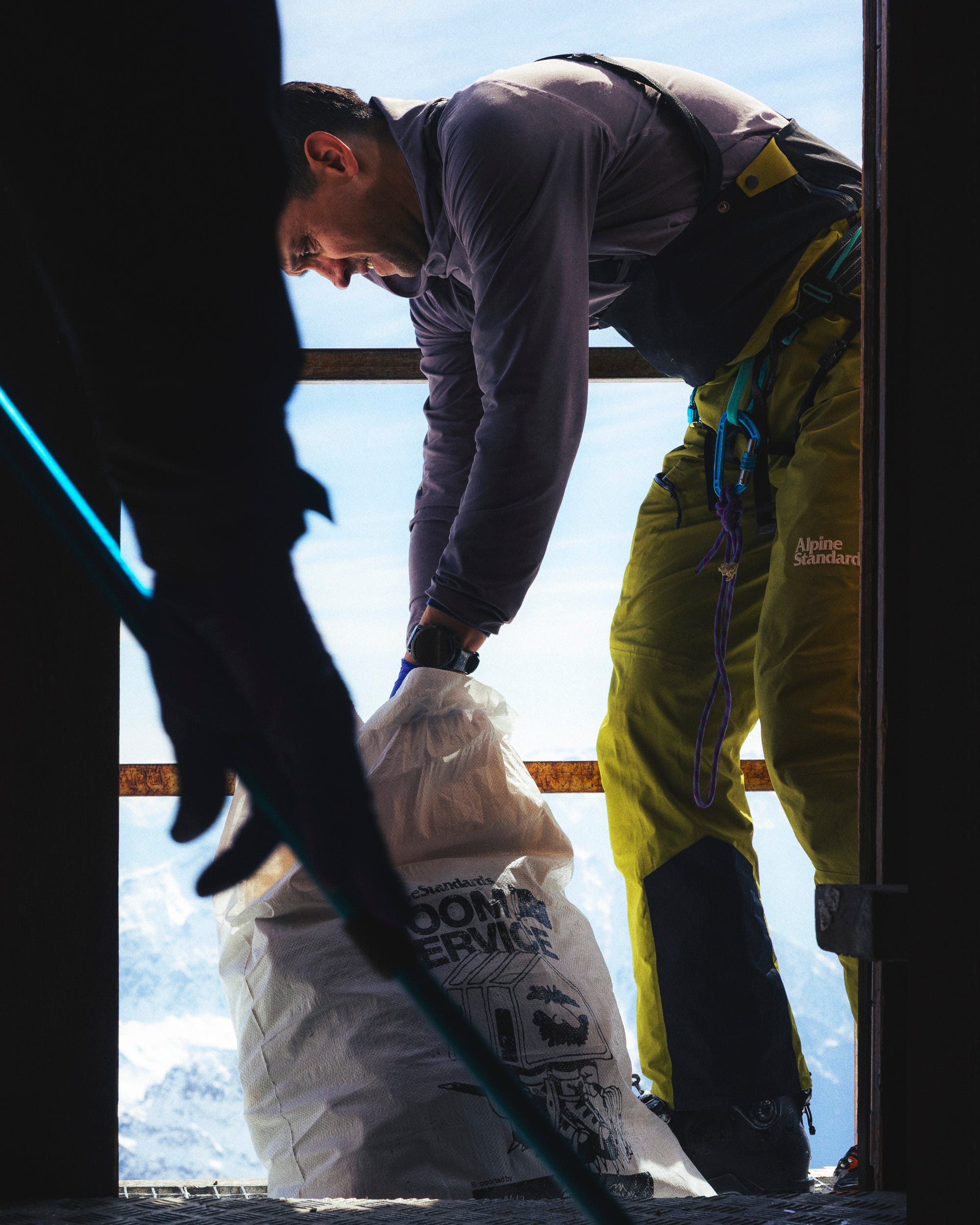
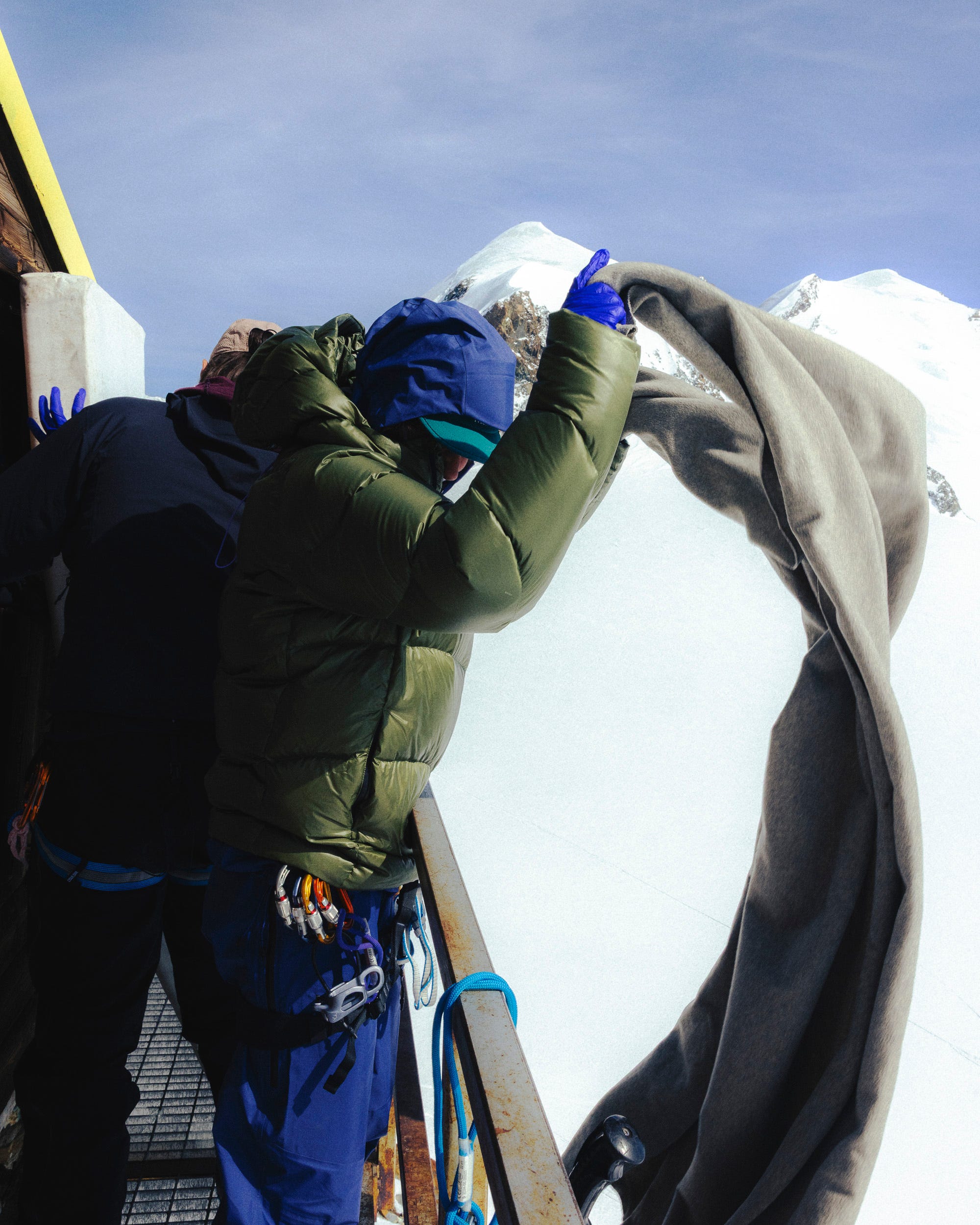
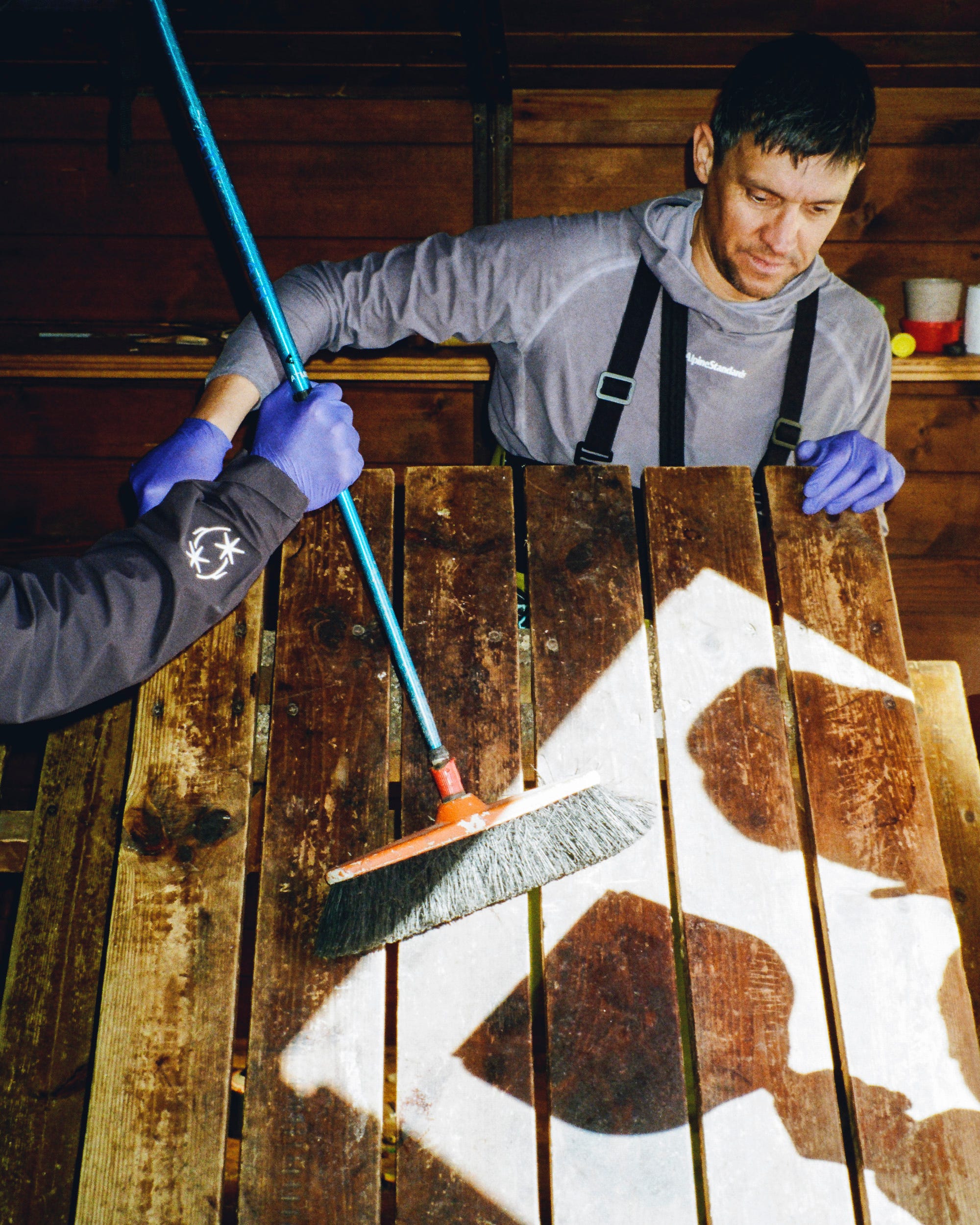
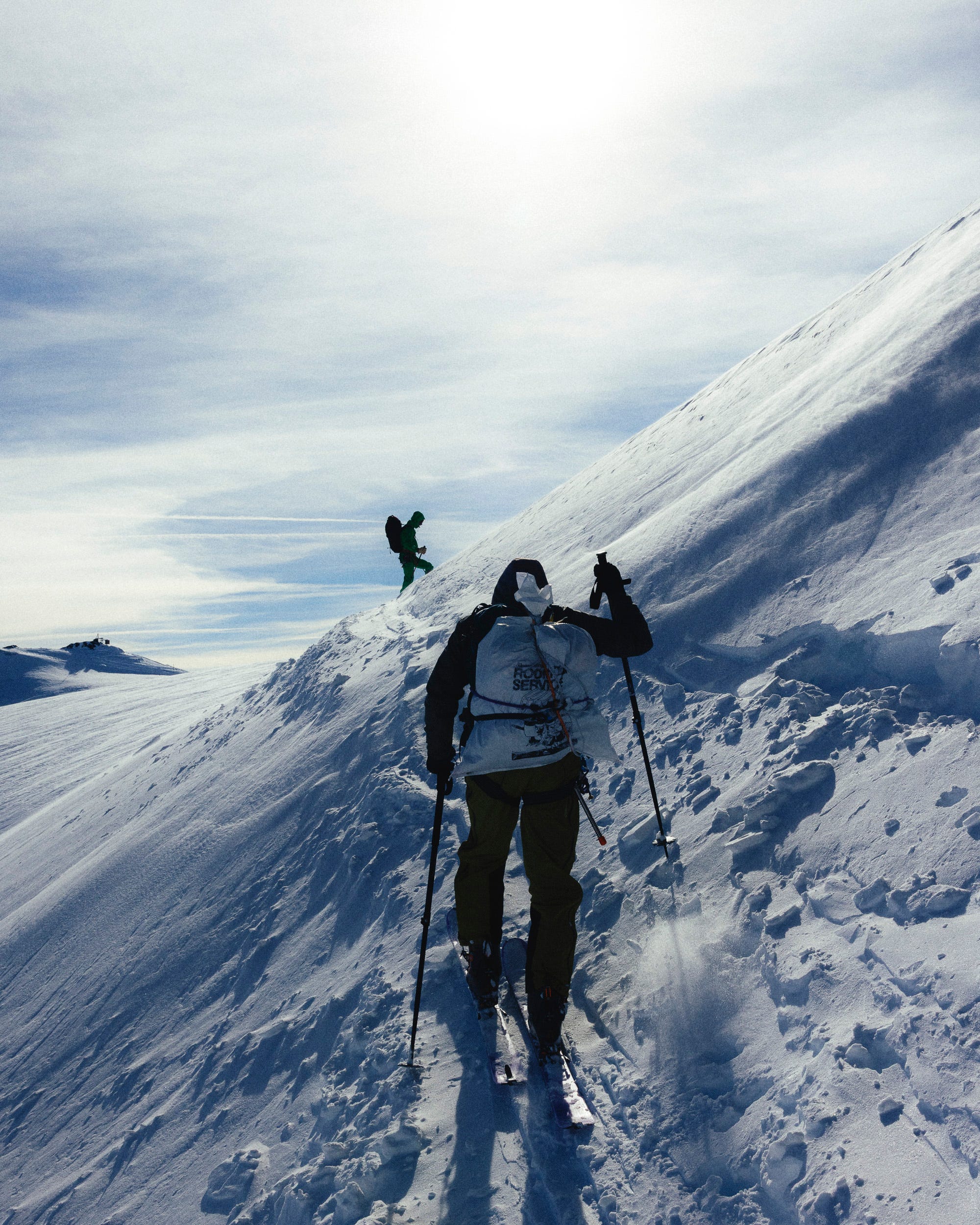
The work itself is plain. We clean the inside the way you would expect: we beat the blankets, turn the mattresses, tidy the room. We collect the rubbish, we check what is there, and we leave an emergency kit behind. The blankets and the mattresses are in precarious condition, with mould setting in, and we did what we could for that part too. We put on gloves, we covered our faces, we filled the sacks, two of them, close to twenty kilos, and carried them down. It is not heroic. It is cleaning. It just happens at altitude, which is the only thing that makes it worth a photograph.
The kit we leave is specific: three packs of Akta freeze-dried food, an MSR stove, a gas canister, a fork, a spoon, a small pot, and three thermal blankets. Room Service is supported by Akta for the food, MSR for the stoves, and Outback 97 for the logistics. None of it is a commercial partnership in the usual sense. It came out of a shared idea, wanting to give something back to the mountains without putting ourselves under a spotlight or looking for a return in image.
We touched nothing structural. We do not repair, we do not modify, we do not install. We are not a substitute for the CAI (Club Alpino Italiano) sections, who do difficult work managing an enormous number of these shelters, or for anyone else doing independent maintenance. Ours was the spontaneous reaction of people who love the mountains: clean our own traces and the ones left before us, in the hope of setting an example for whoever comes next. None of this is a complaint, and it is not aimed at anyone. We understand the subject is delicate, and we are always available for the conversation, or the argument, if it comes to that. We are not here to denounce. We are here to help, in the small way that is open to us.
There is a logic to it that is almost embarrassingly simple. If you arrive somewhere and it is already filthy, you will never feel like fixing it. If you arrive and it is clean, you are far more likely to leave it the way you found it, or better. We are betting on the second instinct. A clean bivouac asks to be kept clean. That is the virtuous circle, if there is one.
This is also why we keep the locations to ourselves, and why you are reading about this intervention only now. We give no information about the bivouacs we visit, and we communicate the work with a deliberate delay. We are afraid that otherwise people would recognise the places immediately, and that they would return to their starting state just as fast. The story is kept on the gesture, not the location. The massif is as precise as we are willing to be.
Skin in the game is an overused phrase. For us it means its simplest version: we were there, in the cold, with the broom. The gear we make is tested by the same people doing the cleaning, in the same conditions. The brand and the field are not two departments. They are the same week.
There will be more interventions through the season, documented the same way. We are not looking for more commercial collaborations. We are open to one thing: hearing about bivouacs that need a hand.
From here on, this is where we will tell these things first. Not the only channel, but the honest one.
The mountain is not a setting. It is a shared space. Every space you pass through leaves you with a responsibility. We are trying to take ours seriously, quietly, one bivouac at a time.
Complimenti!